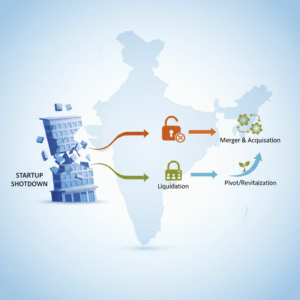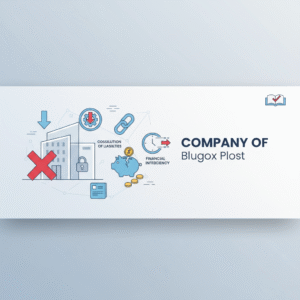

Did you know a staggering number of small businesses, almost a third, end up shutting down because of debt? The prospect of closing a business when you still owe money can feel like an impossible task. Throughout my career, I have guided many business owners through this exact situation. What I have learned is that the rules are not always clear. Many people assume that closing a company with dues is simply not an option. However, that is not always true. Whether you can close your business with outstanding liabilities depends on several things, including the type of debt, what assets the company has and local laws.
Sorting Out Company Debt
Before you even consider closing a company that has debts, figure out exactly what kind of debt the company has. How each type of debt is handled during closure is different.
- Secured Debt: This is debt that is backed by something of value, known as collateral. Think of a loan where the company puts up equipment or real estate as security.
- Unsecured Debt: These debts do not have specific assets backing them up. Credit card balances and invoices from vendors are good examples.
- Tax Liabilities: Unpaid taxes are a serious issue. When a company closes, they often take priority over other debts.
- Employee Wages: Unpaid wages and benefits usually get special consideration under the law.
How each of these debts is dealt with will affect whether closing the business is even possible.
Closure Feasibility with Outstanding Amounts
Can you actually close a company when there are still outstanding debts? There is no simple answer. It depends. Let us examine a few different situations.
Solvent Liquidation
If the company has enough assets to pay off its debts, even if it currently has cash flow problems, solvent liquidation could be an option. This is also known as members voluntary liquidation. You would sell off the company’s assets and use that money to pay what the company owes. Then, any money left over would go to the shareholders. This works best when the company is worth more than its debts.
I have seen this work for companies that are experiencing a temporary setback but are otherwise on solid ground.
Insolvent Liquidation
Insolvency happens when a company owes more than it owns. When this happens, insolvent liquidation is often the only choice. This is also called creditors voluntary liquidation. A licensed insolvency expert takes over the process. They sell the company’s assets and pay creditors based on a legally defined order. Keep in mind that creditors may not get all of their money back through insolvent liquidation. Unsecured creditors might only get a small portion, or nothing at all.
Dissolution
Dissolution, also called striking off, is a simpler way to close a company. It is also less expensive. It only works if the company is solvent and has no debts or liabilities. If you try to dissolve a company that has debts, creditors can object. They can even have the company put back on the registry.
Legal and Ethical Points
Closing a company that still owes money involves more than just finances. There are also legal and ethical things to consider. Here are some key points.
- Director Responsibilities: Directors have a legal duty to act in the best interest of the company’s creditors, especially if the company cannot pay its debts. You cannot take actions that unfairly harm creditors. For example, you cannot transfer assets to personal accounts or related companies.
- Wrongful Trading: Wrongful trading happens when a director knows the company will likely go into insolvent liquidation but continues to operate. Directors can be held personally responsible for debts that the company takes on during this time. I once advised a client who was facing wrongful trading claims because they kept taking on new contracts even when the business was clearly failing.
- Fraudulent Trading: Fraudulent trading is even more serious. It involves intentionally trying to defraud creditors. This can lead to criminal charges and personal liability for the company’s debts.
Other Ways to Avoid Closure
Before you decide to close a company with dues, look at other ways to avoid liquidation.
Debt Restructuring
Debt restructuring means talking to creditors to lower the amount owed or extend the repayment schedule. This can give the company some breathing room to get its finances back on track. A formal arrangement, like a Company Voluntary Arrangement (CVA), can make the agreement legally binding on all creditors.
Business Sale
If the business is still viable, selling it can be a good way to repay debts. The money from the sale can be used to pay off what is owed. Then, the buyer takes over the business.
Informal Agreements with Creditors
Sometimes, you can negotiate informal agreements with creditors. You agree to pay a smaller amount than what is owed to settle the debts. This requires honesty and a willingness to negotiate.
I have been involved in many successful informal agreements that came about through compromise.
Steps to Take
If you are thinking about closing a company that has debts, follow these steps.
- Financial Assessment: Create a complete list of all assets and debts. This will give you a clear picture of the company’s financial situation.
- Expert Consultation: Get advice from an insolvency expert, a certified public accountant and a lawyer. They can explain your options and legal requirements.
- Creditor Communication: Keep the lines of communication open with creditors. Be transparent about what you plan to do.
- Careful Documentation: Keep detailed records of all decisions and communications related to the company’s closure.
Case Study
I recently worked with a small manufacturing business that had a lot of debt. The directors were considering closing the business but were worried about their personal liability. After carefully reviewing their situation, I helped them set up a CVA. This allowed them to restructure their debts and continue operating. This avoided liquidation and saved jobs. While the outcome always depends on the specific situation, this shows how alternative solutions can help.
Key Takeaways
Closing a company that still owes money is a serious decision. It requires careful planning and expert advice. It might be possible in certain situations. You need to understand the legal and ethical consequences. Look at all available options before making a decision. Dealing with financial problems in business can be scary. Getting expert help early on can make a big difference in how the situation is handled and can reduce negative consequences. The process of company closure with outstanding liabilities is complex. The best approach depends on the specifics of the business and the debts involved.