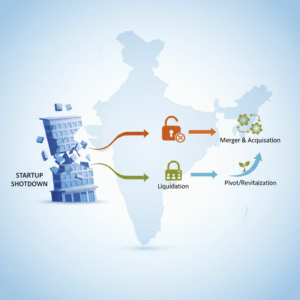


Did you realize nearly 80% of business shutdowns in India are due to financial troubles? Deciding to close shop is never a picnic, but when growth flatlines or objectives are reached, it becomes the only sensible move. This involves wading through a complex web of legal and regulatory steps. Understanding the associated costs is critical for sound financial planning. The Company Closure Cost in India includes required government fees and professional charges, each adding to the overall financial burden.
From my experience, there are two main routes for legally dissolving a company in India:
- Strike Off: A faster, simpler option for companies that are inactive and without assets or outstanding debts.
- Winding Up: A more involved process that requires asset liquidation and debt settlement, typically monitored by the National Company Law Tribunal (NCLT).
Which path you choose significantly affects the total cost. Opting for a strike off generally saves you money, whereas winding up leads to higher professional and legal expenses.
The strike off approach, detailed in Section 248 of the Companies Act, 2013, is a common choice for businesses that have stopped operating. Let us examine the cost implications.
The Ministry of Corporate Affairs (MCA) has a specific fee for submitting Form STK 2, the application used to request a strike off. Currently, the government charges ₹10,000 for this. Keep in mind that this fee cannot be refunded, regardless of the application outcome.
Aside from the STK 2 fee, some other minor government related expenses could arise, such as:
- ROC Filing Fees: If your company has not filed its annual reports or balance sheets, you must update them before applying for a strike off. Expect late filing penalties if you are behind.
- Stamp Duty: This applies to required affidavits and indemnity bonds for the strike off request.
While you could theoretically file for a strike off yourself, I strongly recommend hiring a professional, such as a Chartered Accountant or Company Secretary. Here is why:
- Expertise: These experts know the legal and regulatory environment inside and out. This ensures your paperwork is accurate and you comply with all requirements.
- Efficiency: They speed up the process, preventing delays and possible rejections.
- Risk Mitigation: They protect you from potential legal issues, ensuring a smooth closure.
Professional fees for a strike off can vary considerably, based on several factors:
- Company Size: Larger, more complex companies tend to incur higher fees.
- Compliance Status: Companies with compliance problems, such as overdue filings or unresolved legal notices, might see increased costs to correct them.
- Professional’s Experience: More seasoned professionals typically charge more.
- Location: Fees could fluctuate slightly depending on where you are located.
Generally, you should budget between ₹15,000 and ₹30,000, or possibly even more, for professional strike off services. Ensure you obtain a clear, itemized quote from any professional before hiring them.
Winding up, also known as liquidation, is a much more formal and detailed process, governed by the Insolvency and Bankruptcy Code (IBC), 2016. It is often needed when a company has substantial assets, debts or ongoing disputes.
Government fees for winding up are usually higher than those for a basic strike off. Key components include:
- NCLT Application Fees: Filing a winding up request with the NCLT has a set fee, which can change based on the circumstances.
- Liquidator’s Fees: The NCLT appointed liquidator oversees the winding up process. This includes asset sales and debt repayments. The NCLT determines their compensation, typically as a percentage of the asset sale proceeds.
- Publication Costs: Winding up requires publishing public notices in newspapers and official publications, which involves advertising costs.
- ROC Filing Fees: A large number of documents must be filed with the ROC during winding up, and each one carries a fee.
Due to the inherent complexities, professional help is essential. The main professionals you will need are:
- Insolvency Professional (IP): The IP acts as the liquidator, managing all aspects under the NCLT.
- Lawyers: Legal representation is crucial for navigating NCLT procedures and addressing legal challenges.
- Valuers: They determine the fair market value of all company assets.
- Accountants: Accountants maintain financial records, handle taxes and distribute proceeds.
Professional fees for winding up can be significant, depending on:
- Asset Value: Higher asset values typically lead to increased liquidator fees.
- Complexity: More complex cases involving numerous creditors, disputes or legal issues require more professional time, driving up costs.
- Duration: The longer the winding up takes, the more you will pay in professional fees.
Pinpointing the exact cost of winding up is difficult; each case presents unique factors. You should anticipate spending from several lakhs to potentially crores of rupees for larger, more complicated situations.
Beyond the method you select, other factors can affect the total closing costs:
- Compliance History: A company with a strong record of regulatory compliance typically experiences lower closure costs. Outstanding debts, penalties or active legal cases, however, dramatically increase expenses.
- Asset and Liability Position: Companies with substantial assets and liabilities require a more complex and costly winding up.
- Creditor Involvement: The number and type of creditors will impact the complexity and duration of the closure. Disagreements with creditors could lead to drawn out legal battles and added costs.
- Regulatory Changes: Changes in regulations or governmental policies could alter the fees and procedures related to closing a company.
Closing a business always involves some expense, but the following steps can help you manage and reduce these costs:
- Stay Compliant: Consistent compliance prevents penalties and minimizes closure expenses.
- Seek Professional Advice Early: Consulting professionals early on can guide you toward the most affordable method and prevent potential problems.
- Negotiate Fees: Do not hesitate to negotiate professional fees. Obtain quotes from multiple professionals and assess their service offerings and prices.
- Plan Ahead: If you foresee closing your company, start planning well in advance. This allows you to correct compliance issues, resolve disputes and optimize the process.
Closing a company in India is a complicated process, necessitating a firm understanding of the legal and regulatory environment. Hiring experienced professionals is more than an expense. I see it as an investment that saves time, money and avoids legal problems. They offer guidance on:
- Selecting the best closure method
- Preparing accurate paperwork
- Meeting all regulatory requirements
- Negotiating with creditors
- Representing you before the NCLT if necessary
From my own experience, I know professional help makes company closures smoother and more cost effective, reducing stress and maintaining compliance.
So what is the takeaway?
Grasping the Company Closure Cost in India is vital for making informed decisions and planning carefully. By carefully weighing the different factors, seeking professional guidance and proactively maintaining compliance, you can confidently proceed with closing your company and minimizing unnecessary expenses. Given that the costs of a strike off versus winding up can differ substantially, I suggest getting professional advice. Also, understanding Strike Off Government Fees and Professional Charges is crucial for budget forecasting.