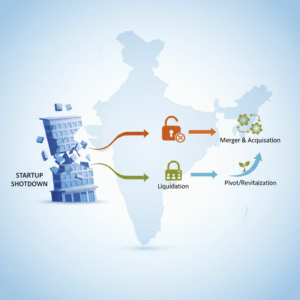


Did you know a staggering number of businesses, upwards of 400000 in the United States alone, cease operations annually? It is a harsh reality. While many entrepreneurs begin with high hopes, situations change. If your company has stopped trading and you have overlooked filing the required paperwork, you are likely seeking the fastest method to dissolve it. The great news is that expedited options exist, particularly if you meet the criteria for a fast track company closure. I will guide you through this process, providing the essential details you will need.
Does Your Company Qualify for a Swift Shutdown?
A straightforward closure method involves a “strike off.” This allows a solvent company, provided it meets specific conditions, to be removed from the register maintained by Companies House. Here is a rundown of the typical eligibility requirements. Bear in mind that Companies House’s precise regulations are what matters.
- Your company must have been inactive, with no trading or operations, for at least three months.
- The company’s name must have remained unchanged during the preceding three months.
- The company cannot be involved in ongoing legal disputes.
- The company must not possess any assets or liabilities.
If your business meets all these criteria, it is probably well suited for the strike off procedure.
Understanding the “Strike Off for Non-Filing Companies” Route
The term strike off for non-filing companies refers to situations where Companies House may initiate the removal of a company from their official records if they suspect it is no longer operational. This often occurs when a company repeatedly fails to submit its annual financial statements or confirmation statements.
Companies House is able to start the strike off process. However, it is generally better for directors to proactively apply for the strike off. If the registrar initiates the process, it could become protracted, and directors could face additional administrative hurdles. Moreover, if the business has outstanding debts, creditors can object to the strike off, complicating matters significantly.
Proactive Strike Off: A Clear Guide
If you have decided to proactively strike off your business, here is a general outline of the steps involved. From personal experience, I have assisted numerous companies with this process.
- Confirm Eligibility: Double check that your company satisfies all the eligibility criteria mentioned earlier. This step is not optional!
- Resolve Outstanding Issues: This entails settling any debts, closing the company’s bank account and managing any assets. To pursue this route, the company must be solvent.
- Inform Relevant Parties: Inform all stakeholders, including shareholders, creditors, employees (if applicable) and HMRC, about your intention to strike off the company. Transparency is key.
- Apply to Companies House: Complete and submit form DS01. You may want to get expert help.
Business closures can feel overwhelming. But grasping the process, particularly concerning fast track company closure and strike off for non-filing companies, gives you the power to make well informed choices. If you are struggling with paperwork and uncertain about how to proceed, think about seeking guidance from a legal professional. I have personally witnessed how beneficial their advice can be.
Keep in mind that I am available to assist you as you navigate these complex issues. The information presented here is for informational use only and does not represent legal guidance. You should seek advice from an attorney to determine the optimal course of action for your particular needs.